
About IGM
Message from IGM Director
Institute for Genetic Medicine Aim and Mission
The Institute for Genetic Medicine (IGM) at Hokkaido University was established in 2000 through the integration of the Institute of Immunological Science, originally founded as the Institute for Tuberculosis Research, and the Cancer Research Institute of the Faculty of Medicine. It is the only affiliated research institute at Hokkaido University dedicated to basic medicine and life sciences. IGM comprises approximately 15 laboratories and facilities, with a total of more than 200 members, including faculty, researchers, technical and administrative staff, as well as undergraduate and graduate students from the Faculty of Medicine, Graduate School of Medicine, Hokkaido University Hospital, Graduate School of Chemical Sciences and Engineering, Graduate School of Life Science, and the Graduate School of Infectious Diseases. The institute aims to elucidate the molecular mechanisms underlying diseases and pathological conditions caused by genetic abnormalities—particularly in the areas of cancer, immunity, infection, and inflammation—and to establish novel therapeutic strategies through both basic and translational research.
In 2008, IGM was designated by the Ministry of Education, Culture, Sports, Science and Technology (MEXT) as a Joint Usage/Research Center for “Infection-associated cancers caused by persistent bacterial and viral infections.” Infection-associated cancers develop through multiple stages, including infection, oncogenic transformation, immune and inflammatory responses, and tumour formation. IGM aims to develop unique therapeutic strategies to overcome infection-associated cancers. In addition, to foster a collaborative research network, IGM organizes annual calls for joint research projects and hosts symposia that bring together researchers in this field. As part of its commitment to societal contribution, IGM is also actively engaged in research on COVID-19.
These research activities have led to numerous high-impact publications and the successful acquisition of large-scale competitive fundings. IGM has produced many principal investigators leading such major research initiatives, thereby playing a central role in advancing genetic disease and infection-associated cancer research both nationally and internationally. Furthermore, these achievements have facilitated industry–academia collaborations, the establishment of endowed research divisions in partnership with industry, and the creation of a Hokkaido University spin-off venture, FlyWorks.
IGM is also committed to outreach activities to disseminate its research outcome to a broad society. These efforts include hosting visits from high school, delivering educational programs for audiences ranging from kindergarten children to the general public, and organizing the “Hokkaido University Children’s Research Institute,” which attracts participants from across Japan.
Through these research and educational activities, IGM has made significant contributions to strengthening the research capabilities of Hokkaido University. The institute plays key roles in institutional strategic initiatives such as the Photo-Excitonics Research Center Project and the Young Researchers Support Program. As part of the latter, IGM organizes the “Hokkaido University Interdepartmental Symposium,” which annually attracts more than 800 participants, including high school students, early-career researchers, and faculty members from 35 departments. This symposium promotes interdisciplinary research and also features lectures by Nobel laureates, contributing to graduate education at Hokkaido University and science education in high schools across Hokkaido.
Looking ahead, IGM will continue to advance research on the molecular mechanisms of genetic diseases and infection-associated cancers, while promoting related interdisciplinary fields and generating innovative research concepts. The institute aims to support early-career researchers and foster interdisciplinary collaboration, thereby further contributing to the enhancement of research and education at Hokkaido University. We sincerely appreciate your continued support for IGM’s research and educational activities.
Apr, 2026
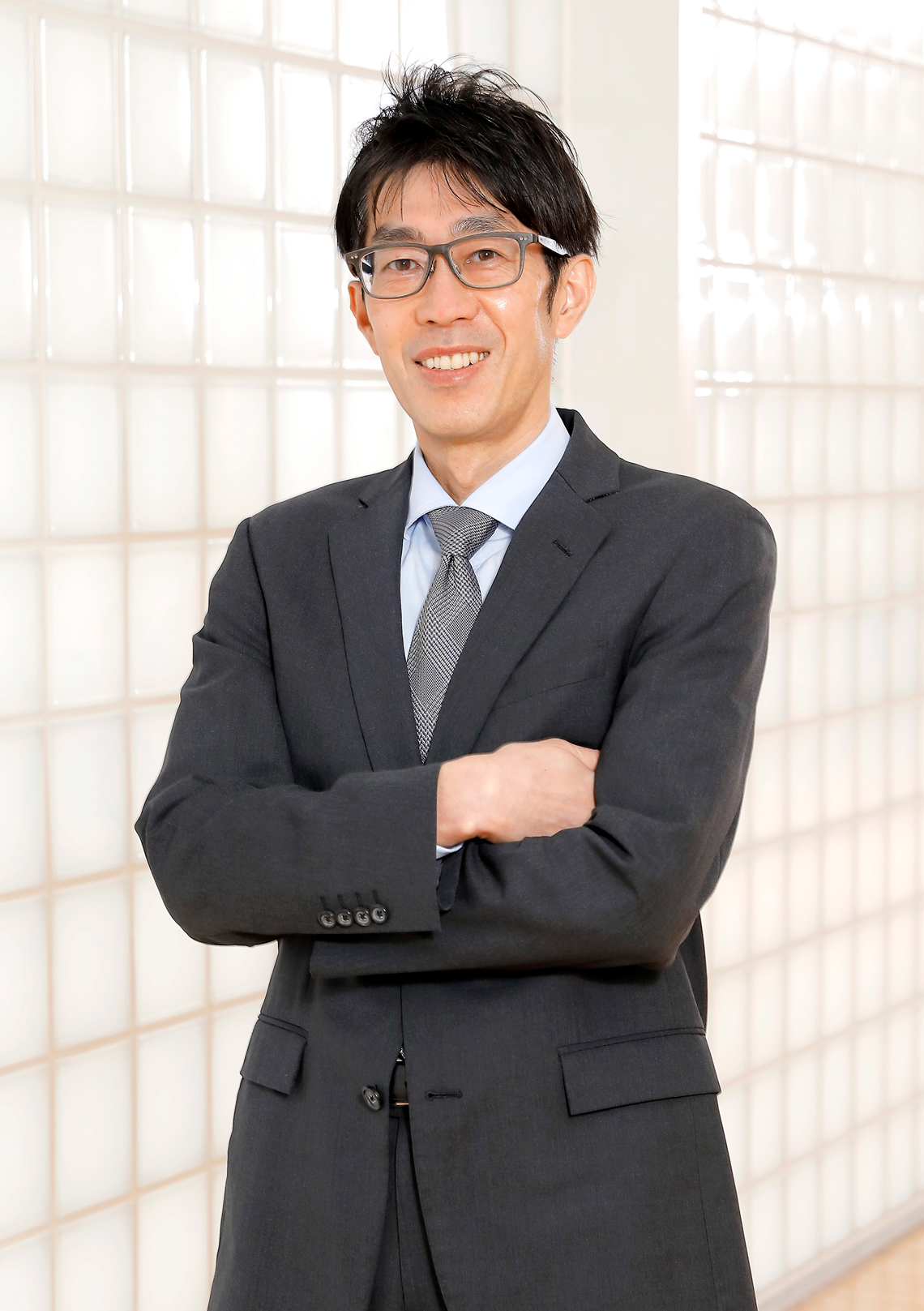
Director, Fumio MOTEGI